How Tokyo Works
I'm a wanderer. Where I come from and what I do don't matter when you're walking a city. All I carry is a pair of shoes and a notebook. Even so, Tokyo puzzled me at first. Gates that beep and slam shut. Shop clerks asking questions I couldn't follow. So here's what I've learned. May your first walk go a little smoother than mine did.
This guide is part of Tokyo Osanpo Notebook, the walking notebook I keep for this city. Pick a town, find a seal near you and stamp it on the spot, then color in the stations you've walked.
Open the notebook ›- 🚃 Trains & IC cards
- 🏪 Convenience stores & shops
- 🍜 Restaurants
- ⛩️ Shrines & temples
- 🚶 Walking around town
🚃 Trains & IC cards
This city runs on trains. Dozens of lines, run by different companies, all tangled together underground. The route map looks like a bowl of ramen. Don't let it scare you. Once you get used to it, it's no big deal.
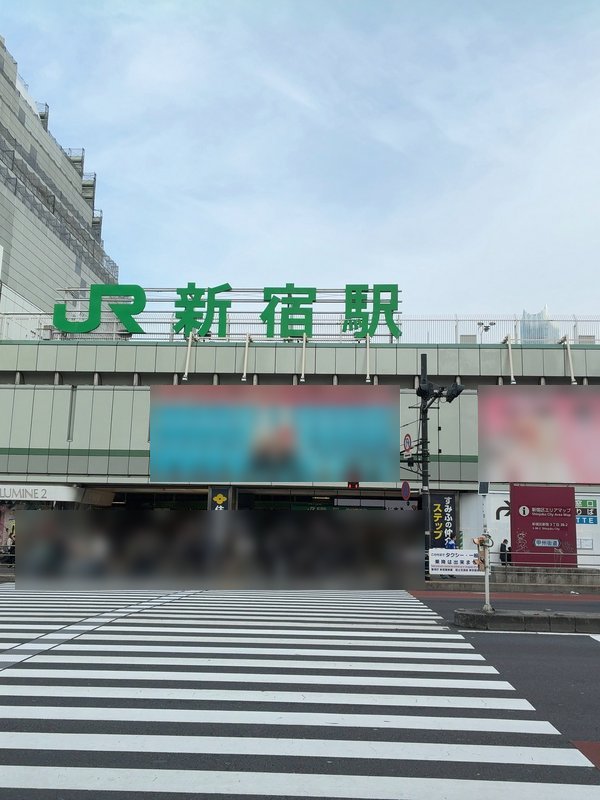
Get an IC card. It'll be your partner.
- Suica and PASMO are IC cards you load with money in advance. Tap the reader at the gate to go in. Tap again on the way out.
- The fare is worked out and taken off by itself. No tickets to buy, no coins to count.
- The two cards look different, but work almost the same. They cover most trains, subways and buses in Tokyo.
- Top up with cash at the ticket machines in any station. You can also do it at convenience store registers and ATMs.
- They're not just for trains. Use them at convenience stores, vending machines and shops that take them.
- On a short stay, look at Welcome Suica or TOURIST PASMO, made for visitors. No deposit, but they last 28 days and leftover money isn't refunded. Don't load too much.
- On an iPhone, add Suica to your Wallet, or use the Welcome Suica Mobile app, and your phone gets you through the gate. Top up with Apple Pay. Very smart.
🔗 Official info: Welcome Suica & TOURIST PASMO (GO TOKYO) · Welcome Suica (JR East)
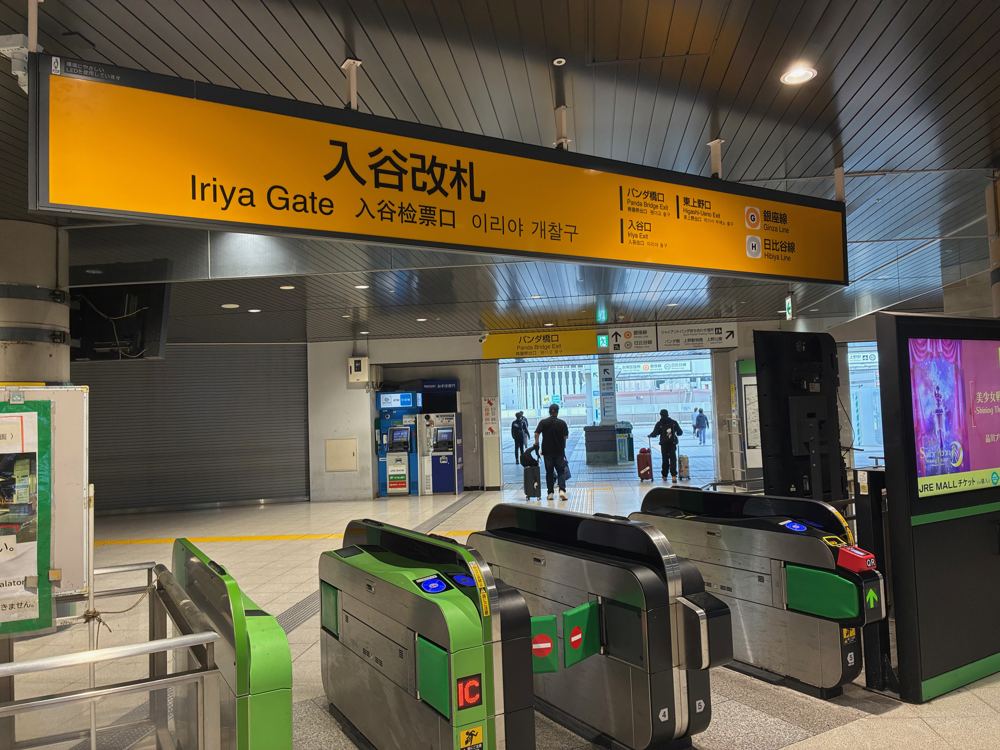
Or tap your credit card
- More and more stations let you tap a contactless credit card, or your phone, right at the gate. You may have read about it. But be careful.
- JR lines such as the Yamanote Line, and the Keisei Line, don't take it yet.
- Not every gate has a reader for it.
- So an IC card is still the safest base for getting around.
- Always tap in and tap out with the same card, or the same phone. Use one for going in and another for going out, and the fare won't be settled properly.
🔗 Official info: Tap-and-go on Toei and partner lines
At the gate and on the train
- Did the gate chime and snap shut with a red light? No need to panic. It's usually a low balance.
- Head to the "Fare Adjustment" machine or a charge machine right next to the gates.
- If that doesn't work, call the station staff. There's an intercom somewhere nearby.
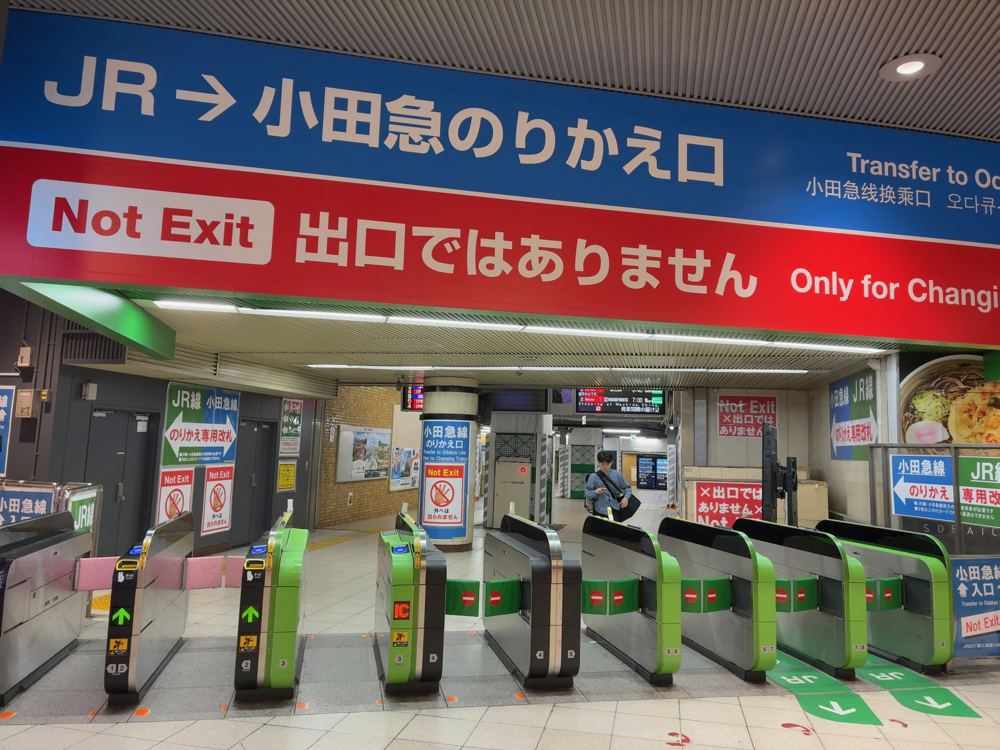
Watch out for 8 a.m.
- If there's one time to avoid, it's around 8 a.m. on weekdays. That's when office workers all ride at once. I got caught in it once. So packed I could barely breathe. Never again.
- During the morning rush (until about 9:30, depending on the line), some cars are for women only.
- Check the stickers at your feet on the platform and the signs on the windows before you get on.
Enjoy the order and the quiet
- On the platform, line up neatly along the markings. People getting off go first, then people getting on.
- On board, keep it quiet. That's the manner here. Phone calls are a no-go, and keep conversations low.
- Tokyo trains are wrapped in a surprising silence. I've come to like it.
Follow the yellow signs out
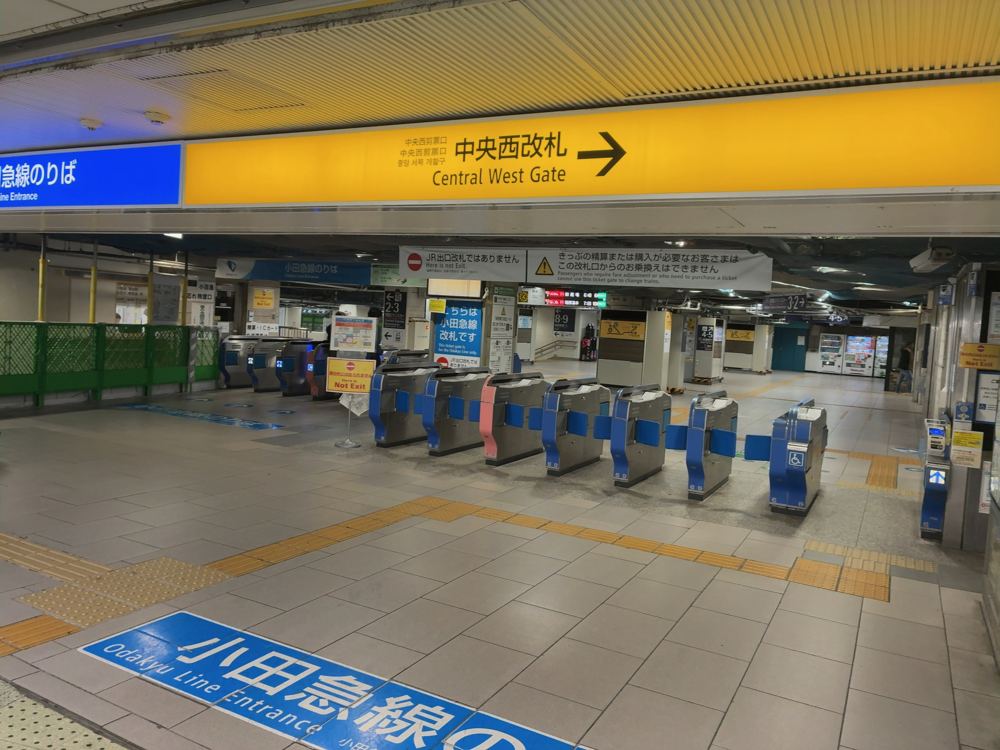
- Big Tokyo stations are underground mazes. If you know where you're headed, start looking for the yellow signs overhead as soon as you step off the train.
- Exit names, like A1 or East Exit, are usually on yellow signs.
- Pop out of a random exit and you may take a long way round.
📒 In the notebook: color in every station you walk on the Station Map.
🏪 Convenience stores & shops
The convenience store, or "konbini," is this city's all-purpose oasis. Fresh coffee, onigiri that taste just-made, daily goods, even printed tickets. I've lost count of how many times one saved me on the road.
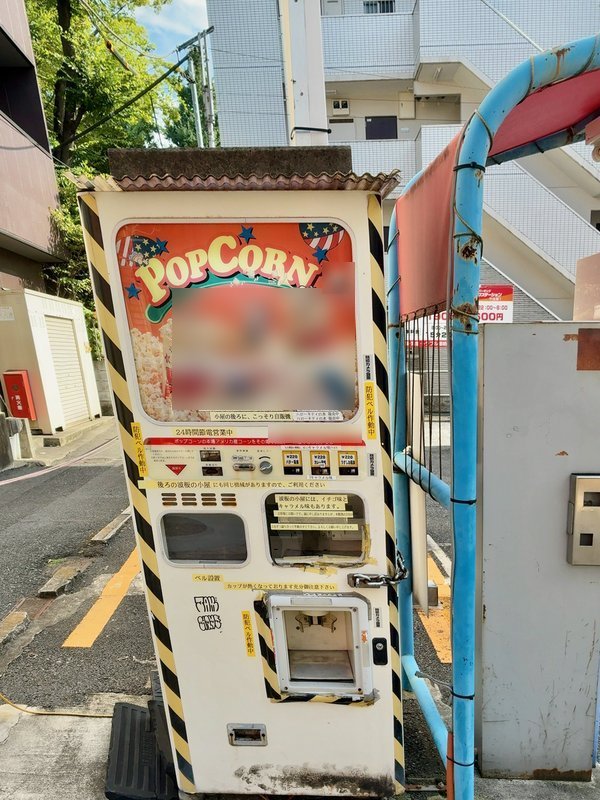
At the register
- Cash, credit cards, IC cards and phone payments are widely accepted.
- Old-school favorites tucked down back alleys are often cash only, though. Don't let your guard down. If you're short on cash, ask first whether they take cards.
- Plastic bags cost a few yen. If you don't need one, say "no bag" or just wave your hand a little. A folded eco bag in your pocket is a traveler's trick.
- Buy a bento or a side dish and you'll be asked if you want it heated. Nod, and they'll warm it up in the microwave right there. Free, of course.
- Japan has no tipping custom. A heartfelt "thank you" and a smile are thanks enough.
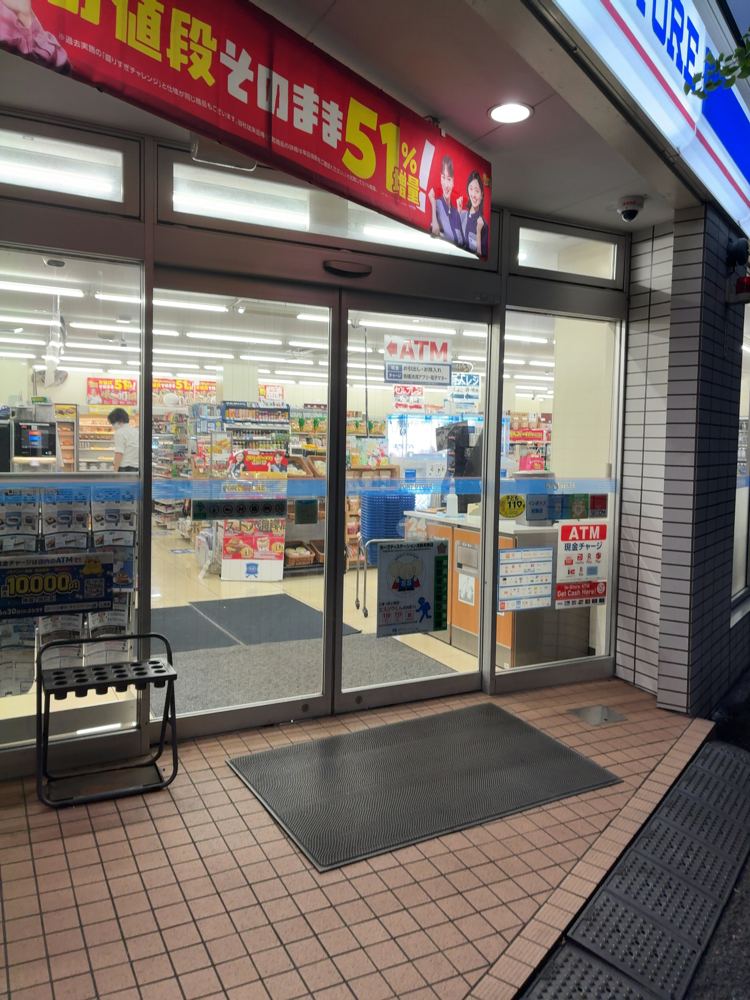
Cash and ATMs
- To withdraw yen with a foreign card, go to the Seven Bank ATMs inside 7-Eleven. They speak many languages. A real lifesaver.
- More and more Lawson and FamilyMart ATMs work too.
- Still, keep a little cash in your pocket for shrine offerings and old street stalls.
🔗 Official info: Seven Bank ATM
Tax-free shopping has changed
- Japan's tax-free system is now a refund system.
- You pay the full price, tax included, at the shop.
- The tax comes back to you after a check at the airport when you leave.
- It applies when you spend 5,000 yen or more, before tax, at the same shop on the same day.
- Show your passport (the real one) when you pay.
- At the airport, before you check in your bags, do the customs step at a customs kiosk or on Visit Japan Web. Then get your refund at the counter or to your card, as the shop explained.
- Don't use or eat what you bought before you leave. Keep it with you.
- You must leave Japan within 90 days of buying.
- Keep your receipts and purchase records safe.
🔗 Official info: Tax-free refund method (Japan Tourism Agency) · Visit Japan Web
Check the Japan Tourism Agency and each shop's website for the latest rules before you go.
🍜 Restaurants
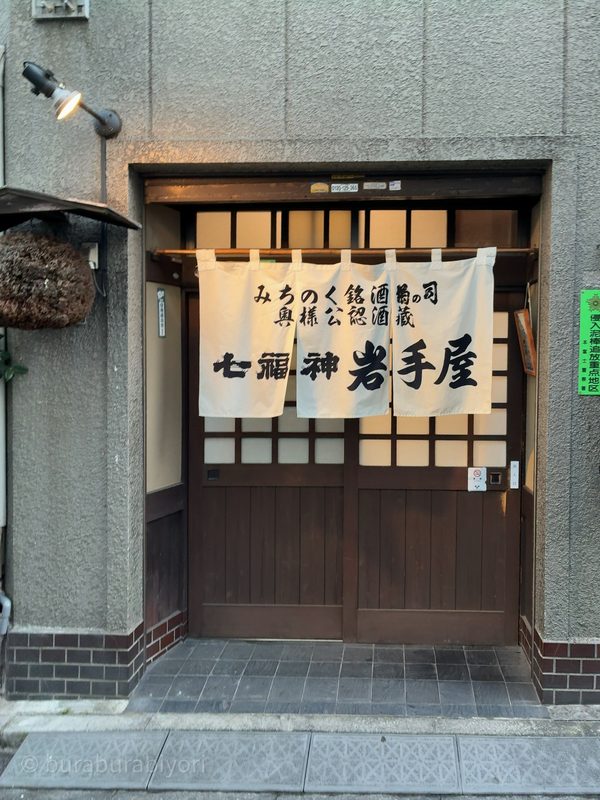
Seats and ordering
- Walk in, and staff will usually show you to a seat. At some places, you buy a meal ticket first.
- If someone points at the ticket machine, pick your dish there and pay up front.
- These days, many restaurants take orders on a tablet at your table.
- Once you sit down, water or tea and an oshibori (a wet towel for your hands) come for free.
- On a hot day, a cold oshibori is a treat on its own.
Otoshi
- At an izakaya, a small dish you didn't order may arrive first.
- It's called otoshi, a light snack that doubles as a seat charge, a few hundred yen per person.
- It's not a tourist trap. It's an old custom, so go ahead and enjoy it.
- Most places don't take payment at the table. Take your bill to the register by the door.
⛩️ Shrines & temples
Tokyo's shrines and temples live quietly between buildings and at the ends of alleys. A torii gate means a Shinto shrine (jinja). A temple gate and incense smoke mean a Buddhist temple (otera). The way you pray is different, so take a look at the entrance. There are customs, but don't worry about getting every step right. What matters is a quiet, respectful heart. If you're not sure, just copy the person in front of you.
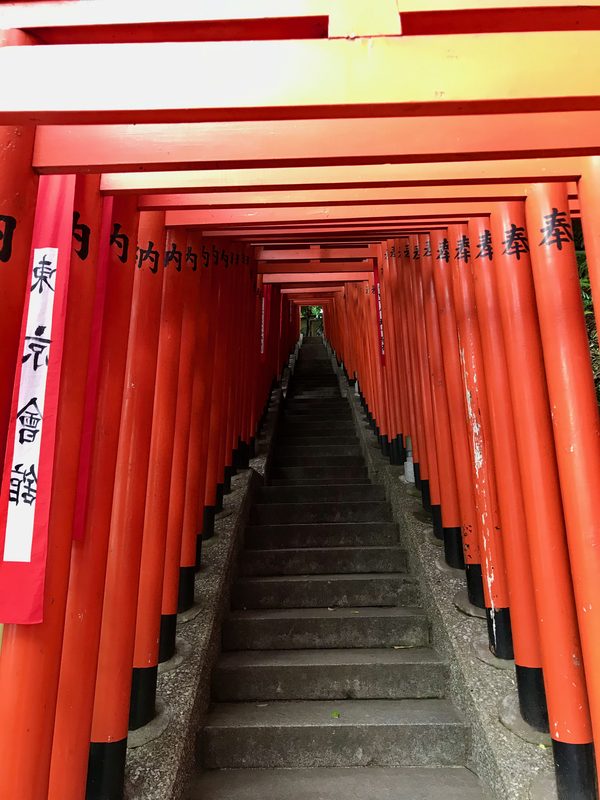
Purify at the chozuya
- Near the entrance, there's a water basin called a chozuya. Purify yourself there before you pray.
- There are finer rules, but remembering to wash your hands is enough. Then you're ready.
If you'd like to do it properly:
- Right hand holds the ladle. Pour water on your left hand
- Switch hands. Pour on your right hand
- Pour a little into your cupped left hand and rinse your mouth
- Tip the ladle up to rinse the handle, then put it back
Praying at a shrine
- At a shrine, it's all about bowing and putting your hands together. Gently drop a coin into the offering box.
- There's no set amount. Let it show the size of your wish and what's in your heart.
- Stand up straight and bow twice. Clap twice and pray quietly. Bow once more at the end. That's how you greet the gods.
The usual way:
- Drop a coin in the box
- Bow twice
- Clap twice
- Hands together, make your wish
- Bow once more
🔗 Official info: Shrine etiquette (Meiji Jingu)
Praying at a temple
- It's almost the same at a temple, but the one thing to remember is no clapping.
- When I'd just started traveling, I clapped by mistake and broke into a cold sweat.
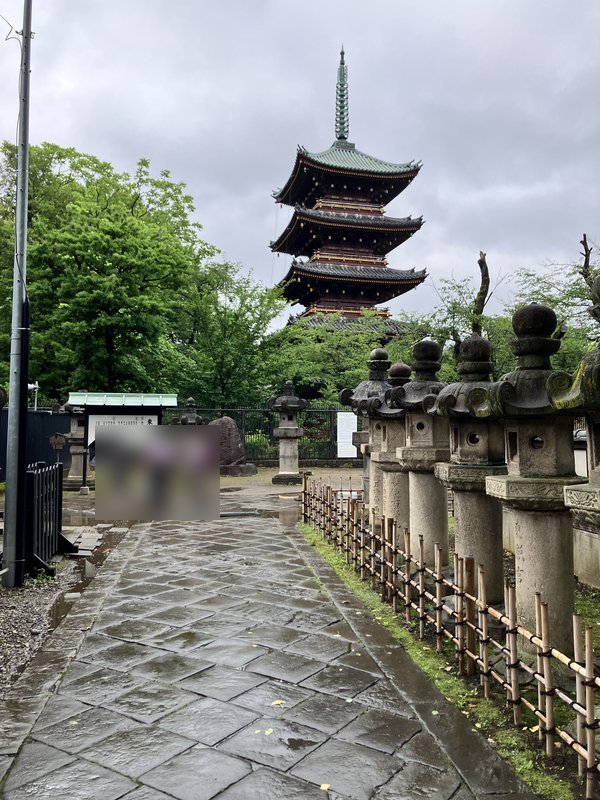
Goshuin, a keepsake of your visit
- As proof of your visit, you can receive a goshuin, brushed ink and a red seal, in a special book.
- It's usually 300 to 500 yen, depending on the place. Pray first, then go to the counter.
- Once in a while there's no set price and you'll hear "whatever you wish." That doesn't mean free.
- If you're not sure, a 500-yen coin is a good guide. Many places still take cash only.
- By the way, the Gosokuin in my notebook is something else.
- It's my own digital seal, carved with memories of the street corners I fell for.
📒 In the notebook: collect my digital seals in the Seal Book. Each one is stamped only at its street corner.
Photos are often not allowed inside halls or of Buddha statues. Check the signs. At shrines, the center of the approach path is said to be the path of the gods, so walk a little to the side. Tell a friend, and you'll look cool.
🚶 Walking around town
Tokyo gets better the more you walk it. Safe, clean, and full of alleys that tempt you in. Know a few street rules and you'll blend in more comfortably.
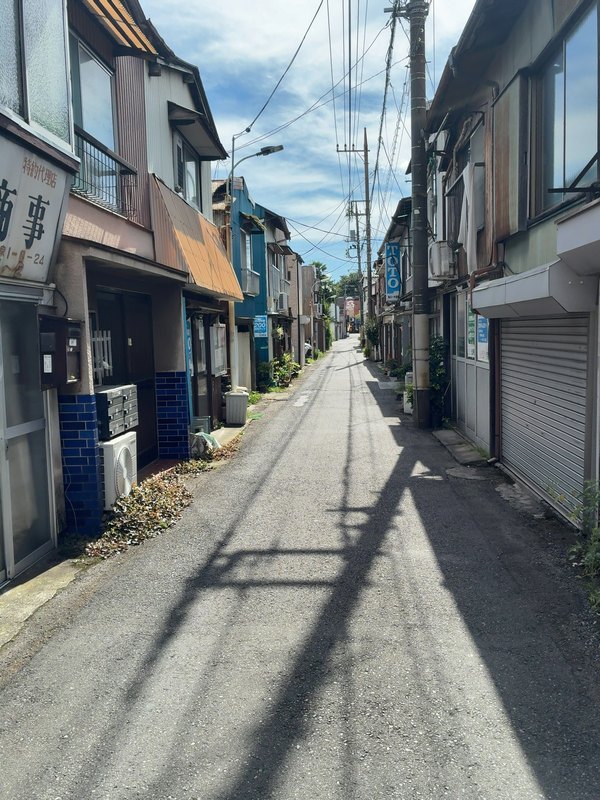
Trash
- There are almost no trash cans on Tokyo's streets.
- Carry a small plastic bag and take your trash home with you.
- Convenience stores have bins for things you bought there, and vending machines have bins for bottles and cans beside them.
Toilets
- Public toilets are clean and almost everywhere.
- Look in stations, department stores, parks and shopping centers.
- Some convenience stores don't lend their toilets, for security reasons.
- When one does, ask first and buy a can of coffee on the way out. That's how we travelers say thanks.
Eating and drinking
- Eating while you walk is frowned upon in many places.
- Finish your food in front of the shop or on a bench.
- Festivals and street-food shopping streets are a different story, of course.
- Don't walk into a clothing store, bookstore or gift shop with a half-finished coffee or snack in hand.
- It's about keeping the goods clean, so finish it outside first.
Photos
- Always ask before you take photos of people, children or shop staff.
- Some shops and restaurants don't allow photos of the inside or the goods. Look for a sign before you shoot.
- Quiet residential alleys are where people live. Shouting or blocking the lane with a tripod isn't cool.
📒 In the notebook: walk the routes I walked in Courses & Stories.
Escalators and sidewalks
- In Tokyo, people used to stand on the left of the escalator and leave the right for walkers (Osaka is the opposite).
- These days, to prevent accidents, railway companies ask everyone to stand still on both sides.
- Taking your time and watching the view roll by is the modern way.
- In the morning rush, though, go with the flow around you.
When to take off your shoes
- Inside temple halls, in the tatami rooms of old restaurants and in fitting rooms, you may need to take your shoes off.
- A small step at the entrance, or a row of slippers, means "shoes off from here."
- And the slippers in the toilet are for the toilet only. Don't wear them back into the room. (I almost do it now and then.)
Smoking
- In most of Tokyo, smoking while walking or on the street is banned by local rules, and heated tobacco counts too.
- Instead, there are smoking areas near big stations and in shopping centers.
- Smoking is generally not allowed inside restaurants.
- Look for the mark and light up only where it's allowed.
Bicycles and bike sharing
- If a bicycle comes up behind you on the sidewalk, you don't need to jump out of the way. Pedestrians come first.
- The red bikes you see around town, and other share bikes, can be rented by visitors with an app. Handy when you want to go a little farther.
- Remember that Japan rides on the left. Using your phone while riding (a 12,000-yen fine since April 2026) and riding after drinking are strictly against the law. Follow the rules and enjoy the breeze.
🔗 Official info: docomo bike share: how to rent
If something goes wrong
- Lost your wallet or phone, or lost your way? Visit a KOBAN, the small police box you'll find near stations and on street corners.
- The chance of getting lost items back in Japan is almost unbelievable.
🔗 Official info: Lost and found (Tokyo Metropolitan Police)
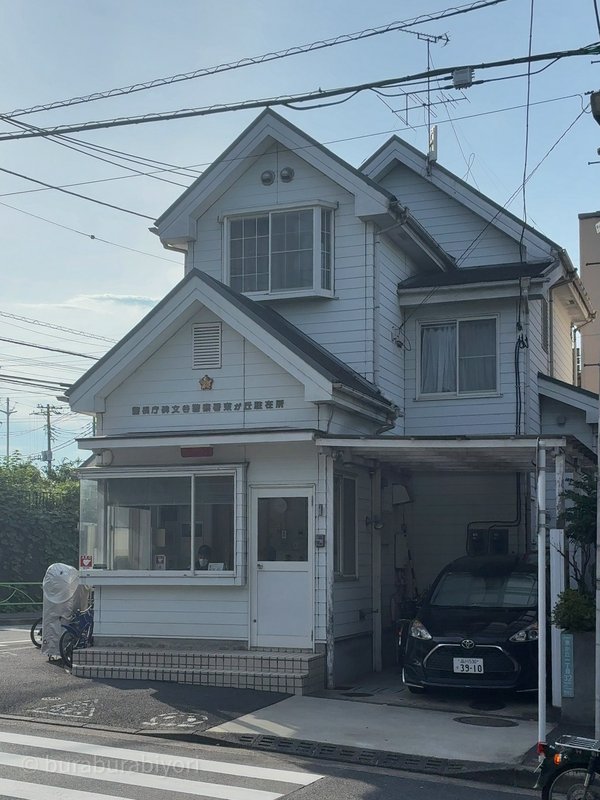
Lost for words? Try the "Talk with locals" cards in this notebook. Open 💬 from the + button at the bottom right of the main page, and you'll find cards that help you talk with the people here.
Now, retie your laces and head out. Something good is waiting around the next corner.
Open the notebook ›Updated November 2026